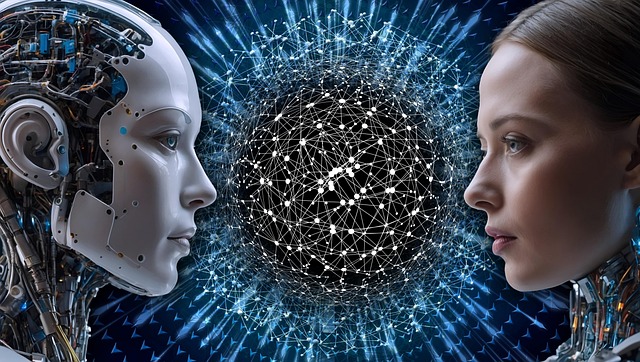
The rapid evolution of technology has brought three powerful forces into the spotlight: Machine Learning (ML), Artificial Intelligence (AI), and Robotics. Together, they are transforming industries, redefining human capabilities, and shaping the future in ways that were once only imagined in science fiction.
Artificial Intelligence is the broader concept of machines performing tasks that typically require human intelligence. This includes problem-solving, decision-making, language understanding, and even creativity. Machine Learning, a subset of AI, focuses on enabling machines to learn from data and improve their performance over time without being explicitly programmed. Robotics, on the other hand, involves the design and use of machines capable of carrying out physical tasks—often powered by AI and ML algorithms.
One of the most significant impacts of AI and ML is in automation. Businesses across industries are leveraging these technologies to streamline operations, reduce costs, and improve efficiency. For example, in healthcare, AI systems can analyze medical data to assist in diagnosis, predict patient outcomes, and recommend treatments. In finance, machine learning algorithms detect fraud, assess risk, and automate trading decisions. These applications not only increase productivity but also enhance accuracy and reliability.
Robotics takes this a step further by combining intelligence with physical action. Modern robots are no longer limited to repetitive tasks in manufacturing. They are now used in fields like surgery, agriculture, logistics, and even customer service. Autonomous robots can navigate environments, interact with humans, and adapt to changing conditions using AI-driven decision-making systems. This integration of intelligence and mobility is opening new possibilities across sectors.
Another important aspect is personalization. Machine learning algorithms analyze user behavior to deliver tailored experiences. Whether it’s recommending products, curating content, or optimizing user interfaces, AI systems are making interactions more relevant and efficient. This has become a cornerstone of digital platforms and online businesses.
However, with great power comes responsibility. The rise of AI and robotics raises important ethical and social concerns. Issues such as job displacement, data privacy, and algorithmic bias must be addressed carefully. While automation may replace certain roles, it also creates new opportunities that require advanced skills. The focus should be on reskilling and adapting to the evolving technological landscape.
Moreover, transparency in AI systems is crucial. Understanding how decisions are made by algorithms can help build trust and ensure fairness. Governments and organizations are increasingly working on regulations and frameworks to guide the responsible use of AI technologies.
Looking ahead, the convergence of machine learning, artificial intelligence, and robotics will continue to accelerate innovation. Smart cities, autonomous vehicles, intelligent assistants, and advanced healthcare systems are just the beginning. As these technologies mature, they will become more accessible and integrated into everyday life.
In conclusion, ML, AI, and robotics are not just technological trends—they are foundational pillars of the future. By embracing their potential while addressing their challenges, society can unlock unprecedented growth, efficiency, and innovation. The key lies in balancing progress with responsibility, ensuring that these powerful tools are used to benefit humanity as a whole.